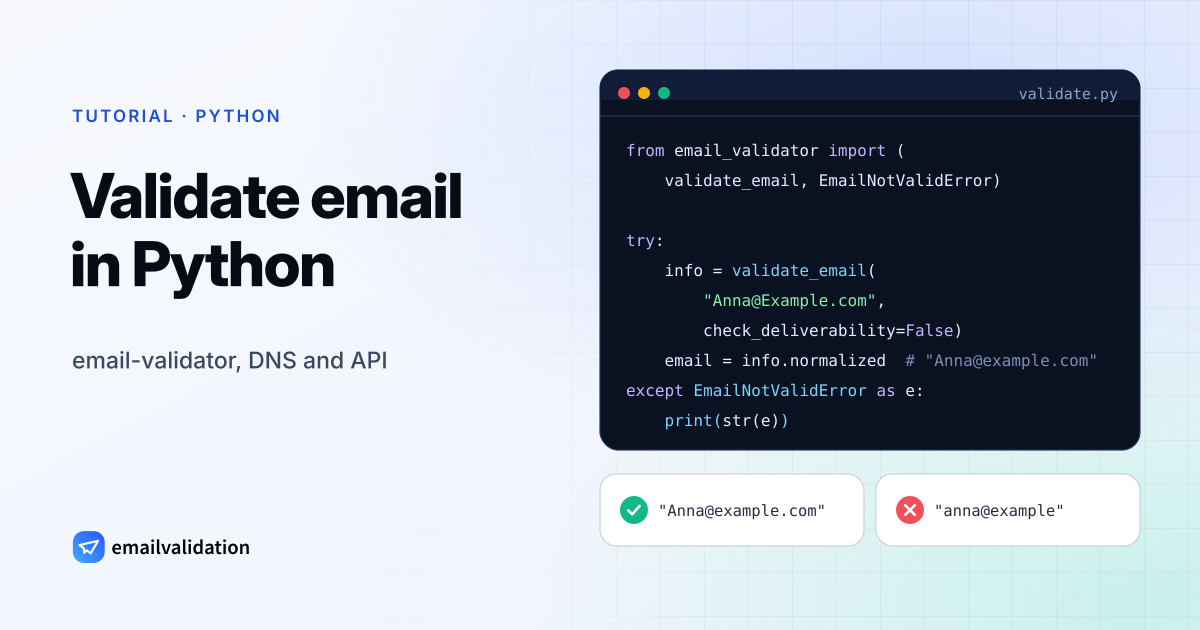
1. Syntax check with email-validator
pip install email-validator
from email_validator import validate_email, EmailNotValidError

try:
    info = validate_email("Anna@Example.com", check_deliverability=False)
    email = info.normalized  # "Anna@example.com"
except EmailNotValidError as e:
    print(str(e))
check_deliverability=True additionally checks that the domain has DNS records for email.
2. MX lookup with dnspython
import dns.resolver  # pip install dnspython

def has_mx(domain: str) -> bool:
    try:
        return len(dns.resolver.resolve(domain, "MX")) > 0
    except (dns.resolver.NXDOMAIN, dns.resolver.NoAnswer, dns.resolver.NoNameservers):
        return False
3. Check that the mailbox exists
import os
import requests

def validate(email: str) -> dict:
    res = requests.get(
        "https://api.emailvalidation.io/v1/info",
        params={"email": email},
        headers={"apikey": os.environ["EMAILVALIDATION_KEY"]},
        timeout=30,
    )
    res.raise_for_status()
    return res.json()

result = validate("anna@example.com")
print(result["state"], result["reason"], result["score"])
4. Validate a CSV file
import csv

with open("contacts.csv") as src, open("contacts.validated.csv", "w", newline="") as dst:
    reader = csv.DictReader(src)
    writer = csv.DictWriter(dst, fieldnames=reader.fieldnames + ["state", "reason", "disposable"])
    writer.writeheader()
    for row in reader:
        r = validate(row["email"])
        writer.writerow({**row, "state": r["state"], "reason": r["reason"], "disposable": r["disposable"]})
For large files, run requests in parallel with a thread pool and respect your plan’s limits: the free plan allows 10 requests a minute and 5 checks at a time, paid plans 25 at a time. Or send the whole file to the bulk endpoint of the email validation API. To check a few addresses without writing code, use the bulk email validator; without an account it checks a few addresses an hour.